
Tattva NewsTattva News
  • Telegu states
  • Regional
  • National
  • International
  • Economy
  • Others
  • Special Stories
  • Opinion
Weather Report
Facebook Twitter Instagram
Trending
  • Dr Bhagwat slams regulatory rigidity in education
  • Indian EV market to touch Rs. 20 lakh crore by 2030
  • Pragjyotishpur LitFest ’24 concludes with a high note
  •  Former Haryana CM, INLD chief Om Prakash Chautala passes away
  • Parliament adjourns sine die amid protests by Opposition and treasury benches
  • Opposition notice for no-confidence against Dhankhar rajected
  • PM Modi lists out ‘sins’ of Congress towards Ambedkar
  • Globally a record number of journalists killed in 2024: India loses 4 scribes
Facebook Twitter Instagram Pinterest
Friday, January 23
Click for the latest Hyderabad weather forecast.
Telugu
Tattva NewsTattva News
  • Telegu states
  • Regional
  • National
  • International
  • Economy
  • Others
  • Special Stories
  • Opinion
Tattva NewsTattva News
Telugu
Home » How bad has this year’s heat wave been in India?
Special Stories

How bad has this year’s heat wave been in India?

Editor's Desk, Tattva NewsBy Editor's Desk, Tattva NewsApril 26, 2022Updated:April 26, 2022No Comments3 Mins Read
Facebook Twitter Pinterest LinkedIn Tumblr Email
Share
Facebook Twitter LinkedIn Pinterest Email

CSE briefing on heat waves in India – 1

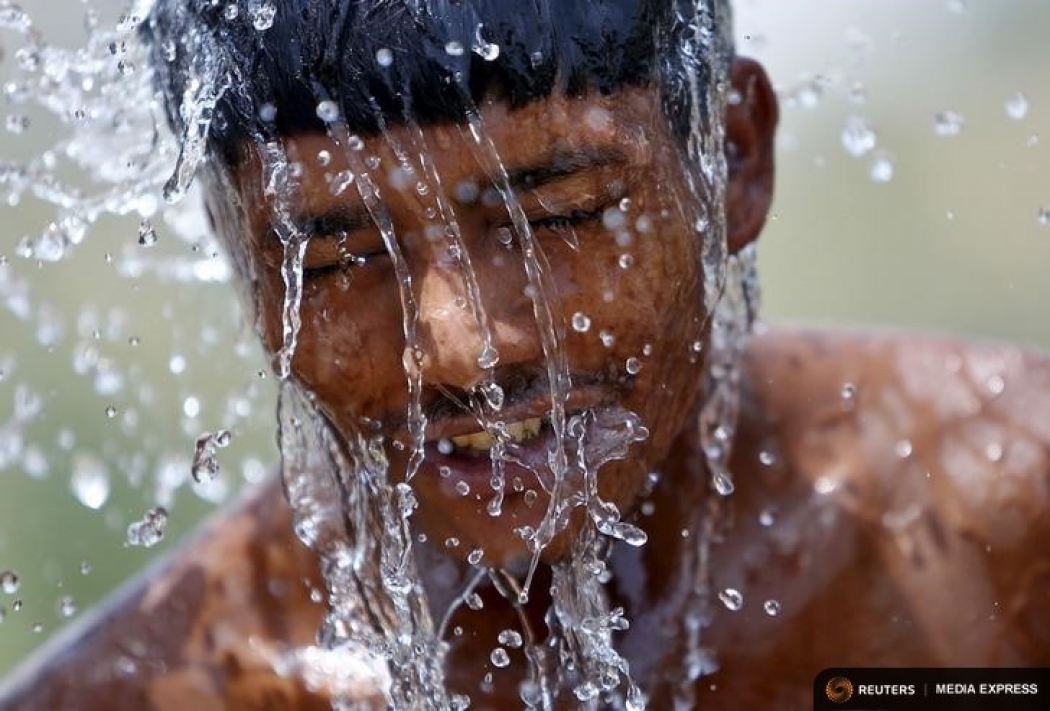
The early heat waves of 2022 that began on March 11 have impacted 15 Indian states and Union territories (as of April 24), according to data from the India Meteorological Department (IMD) that was analysed by Down To Earth. Rajasthan and Madhya Pradesh have suffered the most among the states, with 25 heat wave and severe heat wave days each during this period.

 The IMD says a heat wave happens when the temperature of a place crosses 40oC in the plains, 37oC in coastal areas, and 30oC in the hills. The weather agency declares a heat wave when a place registers a temperature that is 4.5 to 6.4oC more than the normal temperature for the region on that day. If the temperature is over 6.4oC more than the normal, the IMD declares a ‘severe’ heat wave.

The IMD also uses another criterion to declare a heat wave which is based on absolute recorded temperatures. If the temperature crosses the 45oC mark, the Department declares a heat wave; when it crosses 47, a ‘severe’ heat wave is declared. 

Surprisingly, after Rajasthan and Madhya Pradesh, the mountainous state of Himachal Pradesh has been the most affected by heat waves this year — with 21 heat wave and severe heat wave days. One anomalous point in the IMD’s data is that the weather agency has officially declared only one heat wave day for Odisha, even though Down To Earth has recently reported higher than 40oC temperatures being recorded across the state on April 24 and rising temperatures since the beginning of April. 

D Sivananda Pai of the Kottayam-based Institute for Climate Change Studies says that anti-cyclones over western parts of Rajasthan in March and the absence of rain-bearing Western disturbances had triggered the early and extreme heat waves. Anticyclones cause hot and dry weather by sinking winds around high pressure systems in the atmosphere.

 Raghu Murtugudde, a climate scientist at the University of Maryland explains that a north-south pressure pattern, associated with the La Nina phenomenon in eastern and central Pacific Ocean that happens during winters in India, has persisted longer than expected and interacted with warm waves coming in from a rapidly warming Arctic region, leading to the heat waves.

The sea surface temperatures over east and central Pacific Ocean become cooler-than-average during La Niña. This affects the trade winds flowing over the ocean surface through changes in wind stress. The trade winds carry this weather disturbance elsewhere and affect large parts of the world. In India, the phenomenon is mostly associated with wet and cold winters. Therefore, the current impact of La Niña on the spring and summer season in India is completely unexpected. Murtugudde says that the heat waves may continue till at least the monsoon season begins in June. 

CSE heat waves IMD
Share. Facebook Twitter Pinterest LinkedIn Tumblr Email
Editor's Desk, Tattva News

Related Posts

Pragjyotishpur LitFest ’24 concludes with a high note

December 20, 2024

Globally a record number of journalists killed in 2024: India loses 4 scribes

December 18, 2024

Reusing treated wastewater offers an opportunity to ease India’s water crisis, says CSE

December 17, 2024

ITUC demands overhaul of IFC’s Sustainability Framework

December 10, 2024

Amnesty International says Israel committing genocide against Palestinians in Gaza

December 5, 2024

By-polls: Burden on taxpayers for making Parliamentarians out of Legislators

November 29, 2024

Leave A Reply Cancel Reply

FOLLOW US
  • Facebook
  • Twitter
  • Instagram
  • YouTube
  • LinkedIn
REGIONAL

‘Samatar Chandere Jivanar Joigaan’ to pay homage to Ambedkar

December 6, 2024

PPFA offers thanks to Delhi, Dispur for classical recognition to Asomiya

October 12, 2024

Yogi slams Congress prince heading to become anti-India separatist group leader

September 12, 2024

Rajasthan CM  gets threat call from Dausa jail

July 29, 2024
NATIONAL

Dr Bhagwat slams regulatory rigidity in education

December 21, 2024

 Former Haryana CM, INLD chief Om Prakash Chautala passes away

December 20, 2024

Parliament adjourns sine die amid protests by Opposition and treasury benches

December 20, 2024

Opposition notice for no-confidence against Dhankhar rajected

December 20, 2024
Tattva News
Facebook Twitter Instagram Pinterest LinkedIn
  • Telegu State
  • Regional
  • National
  • International
  • Economy
  • Others
  • Special Stories
  • Opinion
  • Contact Us
© 2026 Tattva Talks Designed by Dhanush Infotech .

Type above and press Enter to search. Press Esc to cancel.