



- World Water Day
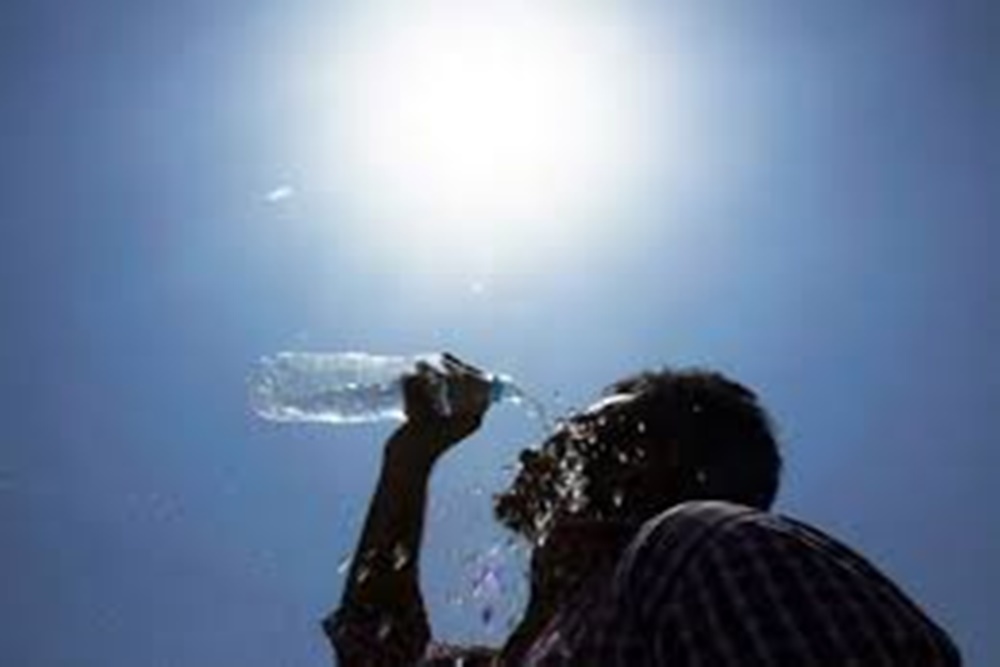
“What does this intense heat wave that has hit large parts of India so early this summer really mean? It means – especially today, as we mark the World Water Day – that this is the age of climate change; it also means that how we deal with our water in the coming days will determine whether we would survive such extreme climatic conditions,” says Sunita Narain, director general, Centre for Science and Environment (CSE).
“I am saying this because we all know that climate change impacts are about heat — increased and scorching temperatures — and about variable and extreme rain. Both have a direct correlation with the water cycle. Therefore, climate change mitigation has to be about water and its management,” Narain elaborates.
India is witnessing a repeat of 2021 conditions, when temperatures touched 40oC as early as in February in some parts of the country. Says Avantika Goswami, deputy programme manager, climate change, CSE: “And this was when 2021 was the year of the La Niña — the Pacific water currents that are known to bring cooler temperatures globally. Indian weather scientists have informed that global warming has offset this cooling effect of La Niña.”
CSE researchers point out that rising heat has severe implications for water security. To begin with, it would mean greater evaporation from waterbodies. Says Narain: “It means that we need to work not just on storing water in millions of structures, but also plan for reducing losses due to evaporation. It’s not that evaporation losses did not happen in the past, but the rate of evaporation will now increase with the soaring temperatures.”
One option is to work on underground water storage, or wells. According to CSE researchers, India’s irrigation planners and bureaucracies have largely depended on canals and other surface water systems – they should not discount the management of groundwater systems.
Increased heat can also lead to a drying up of moisture in soils. It will make the land dusty and will increase the need for irrigation. In a country like India where the bulk of the food is still grown in rainfed regions — irrigated by rain — it will intensify land degradation and dust bowl formations. This means water management must go hand in hand with vegetation planning to improve the ability of soils to hold water, even in times of intense and prolonged heat.
Thirdly, and obviously, heat will drive up the use of water — from drinking and irrigation to fighting fires in forests or buildings. We have already seen devastating forest fires rage in many parts of the world, and in the forests of India. This will only increase as temperatures go up. The demand for water will increase with climate change, making it even more imperative that we do not waste — either water or wastewater.
But this is not all. The fact is that climate change is already showing up in terms of the increasing number of extreme rain events. This means that we can expect rain to come as a flood, making the cycle of floods followed by droughts even more intense. India already has fewer rainy days in a year — it is said that it rains for just 100 hours on average in a year. Now the number of rainy days will further go down, but extreme rainy days will increase.
This has a huge impact on our plans for water management. This means that we need to think more about flood management, not only to embank rivers but to optimise the floodwaters so that we can store them in underground and overground aquifers—wells and ponds. But it also means that we need to plan differently for the capture of rainwater.
Currently, our water structures, the many millions that are being constructed under the Mahatma Gandhi National Rural Employment Guarantee Act, for instance, are designed for normal rainfall. But now, as extreme rains become the normal, the structures will need to be redesigned so that they last over the seasons. The bottom-line is that we must plan deliberately to capture every drop, not just of rain but of floodwater, in this age of climate change.
“Let’s then be clear; we needed to be obsessive about water and its management yesterday because water is the basis of health and wealth. But now we need to be more than obsessive—we need to be determined and deliberate. On this World Water Day in the age of climate change we need to know that the water agenda is the real make or break of our future” says Narain.
