



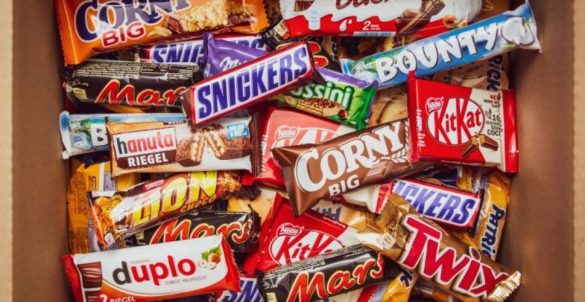
A nonprofit has filed a federal lawsuit to force the U.S. government to block imports of cocoa from Côte d’Ivoire, West Africa. International Rights Advocates say that were left with no alternative but to file this lawsuit due to the lack of a response to their petition submitted over over three years ago.
That petition, to U.S. Customs and Border Protection, called for a ban on the import of Ivorian cocoa due to “the irrefutable evidence of forced child labor”.
The Tariff Act of 1930 prohibits the importation into the U.S. of any goods made “wholly or in part” using forced, indentured, or convict labor, in any part of the world. Nonprofits have increasingly used the petition mechanism to invoke this law and drive better labor practices in the production of a variety of goods. Many of these petitions remain unanswered.
Extensive evidence has been published over the past few decades shining a light on children working on cocoa plantations in West Africa, some of whom have been trafficked from neighbouring countries. The region produces 70% of the world’s cocoa supply.
Major chocolate companies such as Mars, Nestle, and Hershey agreed to stop purchasing cocoa produced by child labor in 2001, but did not follow through. Then they pledged to end their reliance on child labor in 2005. Now they are saying they will ensure forced child labor does not feature in their cocoa in two years’ time, in 2025.
International Rights Advocates say the aim of their action is to exert legal pressure on leading cocoa corporations, namely Nestle, Cargill, Mars, Hershey, Mondelez, Barry Callebaut, Olam, and Blommer Chocolate to end their dependence on forced child labor.
The U.S. government recognises child labor as a major problem in West Africa, reporting in 2021 that:“Children in Cote d’Ivoire are subjected to the worst forms of child labour, including in the harvesting of cocoa and coffee.”
Terry Collingsworth traveled to cocoa farms in the Ivory Coast where he documented children chopping through brush and harvesting cocoa. His evidence includes interviews with children as young as 12 who said their wages were being withheld, and they had been tricked by recruiters into working long hours on a false promise they would be given land of their own.
The international Rights Advocates’ lawsuit includes this evidence as well as the lengthy petition from 2020 detailing how the companies are violating the law.
It is not just major chocolate companies that source cocoa from West Africa where child labor and abuse is rampant. Other companies, not primarily known for chocolate products, like Starbucks use substantial quantities of cocoa in over 23 products they sell.
Freedom United this week launched a new action calling on Starbucks to take steps to ensure their cocoa is sourced ethically. This follows a petition launched two years ago calling on major chocolate companies to undertake practical steps to address child slavery and exploitation.
