
Tattva NewsTattva News
  • Telegu states
  • Regional
  • National
  • International
  • Economy
  • Others
  • Special Stories
  • Opinion
Weather Report
Facebook Twitter Instagram
Trending
  • Dr Bhagwat slams regulatory rigidity in education
  • Indian EV market to touch Rs. 20 lakh crore by 2030
  • Pragjyotishpur LitFest ’24 concludes with a high note
  •  Former Haryana CM, INLD chief Om Prakash Chautala passes away
  • Parliament adjourns sine die amid protests by Opposition and treasury benches
  • Opposition notice for no-confidence against Dhankhar rajected
  • PM Modi lists out ‘sins’ of Congress towards Ambedkar
  • Globally a record number of journalists killed in 2024: India loses 4 scribes
Facebook Twitter Instagram Pinterest
Friday, January 23
Click for the latest Hyderabad weather forecast.
Telugu
Tattva NewsTattva News
  • Telegu states
  • Regional
  • National
  • International
  • Economy
  • Others
  • Special Stories
  • Opinion
Tattva NewsTattva News
Telugu
Home » Solar industry still heavily reliant on Uyghur Region
International

Solar industry still heavily reliant on Uyghur Region

Editor's Desk, Tattva NewsBy Editor's Desk, Tattva NewsAugust 8, 2023Updated:August 8, 2023No Comments3 Mins Read
Facebook Twitter Pinterest LinkedIn Tumblr Email
Share
Facebook Twitter LinkedIn Pinterest Email

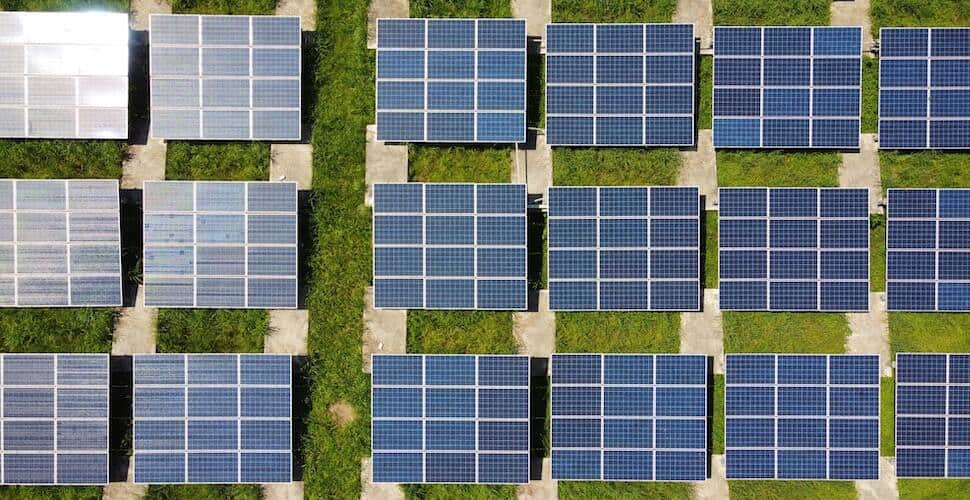
The solar industry, a critical player in the global shift towards renewable energy, found itself entangled in controversy in 2021 when evidence was found  that the Uyghur Region alone produces almost half of the world’s solar-grade polysilicon, a key component of solar panels.

A fresh report reveals that solar giants continue to rely on the Uyghur Region, where the risk of forced labor is high, for key inputs, raising questions about the industry’s commitment to ethical supply chains and human rights.

The comprehensive report led by Sheffield Hallam University, spearheaded by Alan Crawford and Professor Laura Murphy, assesses ten solar module manufacturers, including industry giants like Jinko Solar, Canadian Solar, and LONGi Solar, shedding light on their reported exposure to the Uyghur Region.

Since the last report, a new trend has been discerned whereby some solar module manufacturers bifurcate their supply chains, attempting to create an alternative product line free from Uyghur Region materials.

These efforts are partly a response to the U.S. Uyghur Forced Labor Prevention Act (UFLPA), which prohibits goods from the region from entering the U.S. due to the high risk of forced labor and the challenge of credible due diligence. However, the same companies continue to source from the Uyghur Region for other markets without such import bans or strict regulations.

Another new trend? Even less supply chain transparency than before! A solar module that they can fully trust is not made with Uyghur forced labor. Public trust in the solar industry is extremely low.

Key findings from the report:

  • The Uyghur Region accounts for approximately 35% of the world’s polysilicon (down from 45% since 2020) and as much as 32% of global metallurgical grade silicon production.
  • The majority of solar modules produced globally remain exposed to the Uyghur Region, with Chinese production significantly amplifying this exposure.
  • Some major module manufacturers claim to have supply chains free from Uyghur Region inputs, but evidence varies among suppliers. China-based manufacturers produce around 7-14% of their total production capacity on these dedicated supply chains.
  • Many companies that have created supply chains purportedly free of Uyghur Region inputs continue to source from suppliers or sub-suppliers that have exposure to the Uyghur Region for other product lines.

Freedom United and the Coalition to End Forced Labor in the Uyghur Region continue to call for solar companies to fully exit the Uyghur Region along their entire supply chains. Governments worldwide are urged to enact import control legislation that bans goods made with forced labor. Additionally, measures such as financial incentives and development finance should encourage diversification of renewable energy technology supply chains, promoting alternative sourcing.

Sheffield Hallem University Solar industry solar-grade polysilicon Uyghur region
Share. Facebook Twitter Pinterest LinkedIn Tumblr Email
Editor's Desk, Tattva News

Related Posts

CPJ calls on new Syrian leaders to protect journalist safety

December 15, 2024

PEC deplored 12th media persons killed in Pakistan

December 13, 2024

Cambodian journalist died with bullet injuries, PEC demands justice

December 11, 2024

CPJ condemns police brutality against journalists covering Georgian protests

December 10, 2024

Asia Democracy Network slams Escalating Crackdown on Protests in Pakistan

December 3, 2024

11th journalist killed in Pakistan, PEC expresses concern

November 24, 2024

Leave A Reply Cancel Reply

FOLLOW US
  • Facebook
  • Twitter
  • Instagram
  • YouTube
  • LinkedIn
REGIONAL

‘Samatar Chandere Jivanar Joigaan’ to pay homage to Ambedkar

December 6, 2024

PPFA offers thanks to Delhi, Dispur for classical recognition to Asomiya

October 12, 2024

Yogi slams Congress prince heading to become anti-India separatist group leader

September 12, 2024

Rajasthan CM  gets threat call from Dausa jail

July 29, 2024
NATIONAL

Dr Bhagwat slams regulatory rigidity in education

December 21, 2024

 Former Haryana CM, INLD chief Om Prakash Chautala passes away

December 20, 2024

Parliament adjourns sine die amid protests by Opposition and treasury benches

December 20, 2024

Opposition notice for no-confidence against Dhankhar rajected

December 20, 2024
Tattva News
Facebook Twitter Instagram Pinterest LinkedIn
  • Telegu State
  • Regional
  • National
  • International
  • Economy
  • Others
  • Special Stories
  • Opinion
  • Contact Us
© 2026 Tattva Talks Designed by Dhanush Infotech .

Type above and press Enter to search. Press Esc to cancel.