
Tattva NewsTattva News
  • Telegu states
  • Regional
  • National
  • International
  • Economy
  • Others
  • Special Stories
  • Opinion
Weather Report
Facebook Twitter Instagram
Trending
  • Dr Bhagwat slams regulatory rigidity in education
  • Indian EV market to touch Rs. 20 lakh crore by 2030
  • Pragjyotishpur LitFest ’24 concludes with a high note
  •  Former Haryana CM, INLD chief Om Prakash Chautala passes away
  • Parliament adjourns sine die amid protests by Opposition and treasury benches
  • Opposition notice for no-confidence against Dhankhar rajected
  • PM Modi lists out ‘sins’ of Congress towards Ambedkar
  • Globally a record number of journalists killed in 2024: India loses 4 scribes
Facebook Twitter Instagram Pinterest
Thursday, February 19
Click for the latest Hyderabad weather forecast.
Telugu
Tattva NewsTattva News
  • Telegu states
  • Regional
  • National
  • International
  • Economy
  • Others
  • Special Stories
  • Opinion
Tattva NewsTattva News
Telugu
Home » Davos talks high seas treaty as first ratification in sight 
International

Davos talks high seas treaty as first ratification in sight 

Editor's Desk, Tattva NewsBy Editor's Desk, Tattva NewsJanuary 28, 2024Updated:January 28, 2024No Comments3 Mins Read
Facebook Twitter Pinterest LinkedIn Tumblr Email
Share
Facebook Twitter LinkedIn Pinterest Email

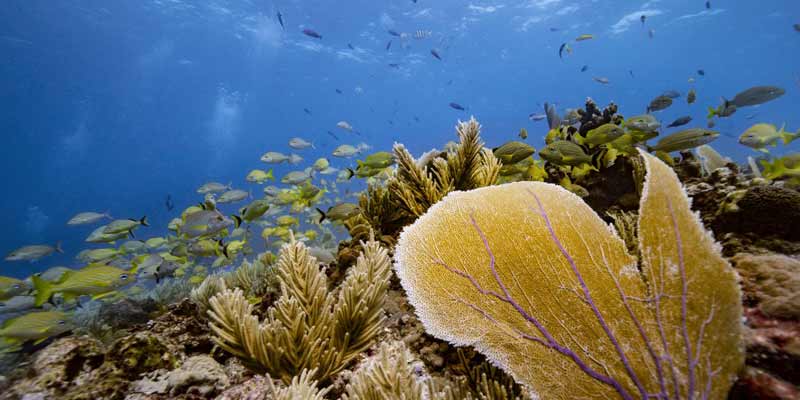
“Until recently, the high seas have not had much governance,” said Monica Medina, president and chief executive of the Wildlife Conservation Society, kicking off a discussion at Davos about the potential offered by a history making treaty to monitor and protect international waters.

“There was no way to create protected areas in the ocean… There was no way to protect, conserve and share the benefits of biodiversity beyond national jurisdictions with all the people of the Earth,” she said.

That changed last year when an agreement more than a decade in the making was signed by more than 80 countries. Now, the race is on to push countries to ratify the UN High Seas Treaty—officially known as the International legally binding instrument under the United Nations Convention on the Law of the Sea on the conservation and sustainable use of marine biological diversity of areas beyond national jurisdiciton.

The treaty comes into force once 60 countries have ratified it, with Chile taking steps last week towards becoming the first to do so. It also holds the opportunity for global governance of 95% of all ocean volume, addressing pollution, overfishing, climate change and biodiversity loss.

Once ratified, countries will be required to conduct environmental impact assessments (EIAs) before authorising marine activities such as deep-sea mining. The UN sees the treaty as playing an important role in its campaign to protect 30% of the ocean by 2030—itself a key target of the UN Sustainable Development Goals for 2030.

Discussing issues—and solutions—to the high-seas challenge, Ms Medina chaired a panel including representatives from the UN, government, private enterprise and philanthropy.

Talking to Economist Impact after the panel, Ms Medina spoke of the importance of multilateral co-operation in governing international oceans. “Every piece is important,” she said. “Governments have an important role to play because this is about governance. It’s really their lead. But you also need businesses to be willing to invest, and unless you have good governance and rules and an orderly process for accessing these resources, it’s hard for businesses to do that.

“You need philanthropic donors to help small-island developing states plan for the better use of their marine ecosystem environments, their marine economies. And then, of course, you need the help of big business.”

While the driving force behind treaties like this is the climate crisis and the protection of biodiversity, Ms Medina noted how the geopolitical and commercial aspect has been thrust into the spotlight with the attacks on shipping in the Red Sea by Houthi forces in Yemen.

According to data from the German economic institute IfW Kiel, shipping volume through the Red Sea has “collapsed”, falling from around 500,000 containers per day in November 2023 to only around 200,000 as of January 11th. And this conflict has a potential knock-on effect for biodiversity, she added.

Davos talks high seas treaty Monica Medina World Conservative Society
Share. Facebook Twitter Pinterest LinkedIn Tumblr Email
Editor's Desk, Tattva News

Related Posts

CPJ calls on new Syrian leaders to protect journalist safety

December 15, 2024

PEC deplored 12th media persons killed in Pakistan

December 13, 2024

Cambodian journalist died with bullet injuries, PEC demands justice

December 11, 2024

CPJ condemns police brutality against journalists covering Georgian protests

December 10, 2024

Asia Democracy Network slams Escalating Crackdown on Protests in Pakistan

December 3, 2024

11th journalist killed in Pakistan, PEC expresses concern

November 24, 2024

Leave A Reply Cancel Reply

FOLLOW US
  • Facebook
  • Twitter
  • Instagram
  • YouTube
  • LinkedIn
REGIONAL

‘Samatar Chandere Jivanar Joigaan’ to pay homage to Ambedkar

December 6, 2024

PPFA offers thanks to Delhi, Dispur for classical recognition to Asomiya

October 12, 2024

Yogi slams Congress prince heading to become anti-India separatist group leader

September 12, 2024

Rajasthan CM  gets threat call from Dausa jail

July 29, 2024
NATIONAL

Dr Bhagwat slams regulatory rigidity in education

December 21, 2024

 Former Haryana CM, INLD chief Om Prakash Chautala passes away

December 20, 2024

Parliament adjourns sine die amid protests by Opposition and treasury benches

December 20, 2024

Opposition notice for no-confidence against Dhankhar rajected

December 20, 2024
Tattva News
Facebook Twitter Instagram Pinterest LinkedIn
  • Telegu State
  • Regional
  • National
  • International
  • Economy
  • Others
  • Special Stories
  • Opinion
  • Contact Us
© 2026 Tattva Talks Designed by Dhanush Infotech .

Type above and press Enter to search. Press Esc to cancel.