



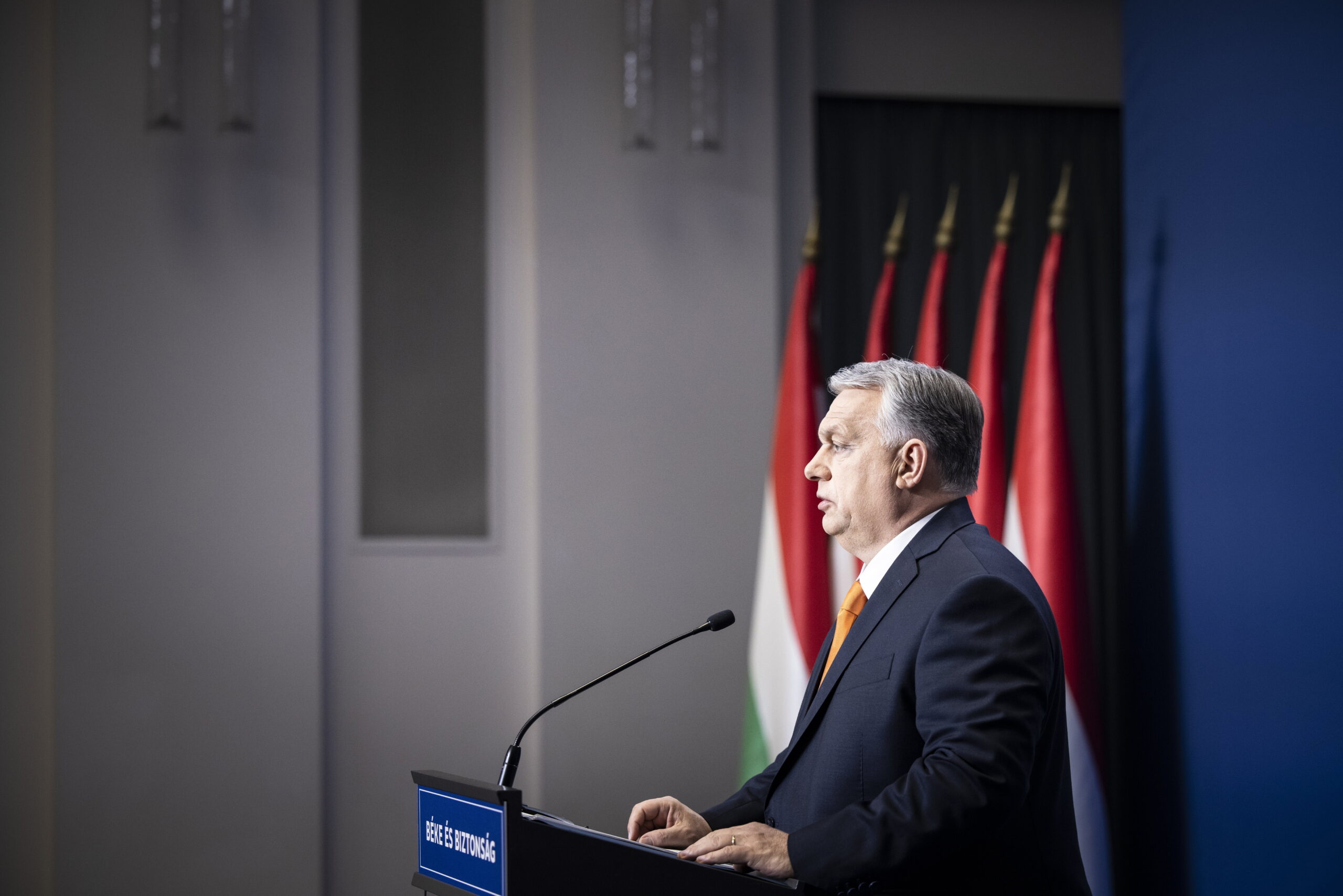
This week marks one year since the election in which Fidesz party of Prime Minister Viktor Orban swept to another landslide victory in Hungary, securing a third consecutive term in office.
The 12 months since then have been marked by a period of relative quiet in terms of major new threats to media freedom. There have been no more takeovers of major independent media houses; no silencing of critical media through discriminatory regulatory decisions.
However, far from a sign of improvement in the government’s press freedom record, International Press Institute (IPI) observed that this period of relative stasis is reflective, observers say, of something far more sinister: the overwhelming success of Fidesz’s decade-long campaign to muzzle critical voices and establish a government-friendly media empire.
After Fidesz secured its second term in 2018, the following years saw multiple major developments in the media market by Fidesz and its allies. In 2018, its expanding media empire was solidified under the KESMA conglomerate, a network run by Fidesz allies which included more than 500 titles. Using business allies as proxies, the ruling party also continued to engineer the takeover of independent media houses.
In 2020, pro-government business interests made their move against Index, leading to its implosion and a mass resignation of journalists. In late 2020, the government-controlled media regulator then removed the country’s last remaining major radio broadcaster critical of the government, Klubrádió, from the airwaves following a discriminatory licencing decision.
In comparison, the year following the 2022 election has been quiet. The reasons for this, according to interviews conducted by IPI with Hungarian journalists and media experts, are twofold. The first stems from the high level of control and co-option of the media market that Fidesz already enjoys.
Over the past decade, the ruling party has gained an unprecedented influence over private and public media, allowing it to muzzle the independent press and distort the market to entrench a dominant pro-government narrative. The public broadcaster has long been deformed into an audio-visual propaganda tool of the government.
IPI further added that the bulk of major print, radio and television media were acquired by business figures connected directly or indirectly to the ruling party, in some cases with the help of loans from state-controlled banks. Estimates vary, but studies identify Fidesz as being in direct or indirect control of between 70-80 per cent of the media market. This represents the most advanced model of media created in the European Union.
