
Tattva NewsTattva News
  • Telegu states
  • Regional
  • National
  • International
  • Economy
  • Others
  • Special Stories
  • Opinion
Weather Report
Facebook Twitter Instagram
Trending
  • Dr Bhagwat slams regulatory rigidity in education
  • Indian EV market to touch Rs. 20 lakh crore by 2030
  • Pragjyotishpur LitFest ’24 concludes with a high note
  •  Former Haryana CM, INLD chief Om Prakash Chautala passes away
  • Parliament adjourns sine die amid protests by Opposition and treasury benches
  • Opposition notice for no-confidence against Dhankhar rajected
  • PM Modi lists out ‘sins’ of Congress towards Ambedkar
  • Globally a record number of journalists killed in 2024: India loses 4 scribes
Facebook Twitter Instagram Pinterest
Tuesday, March 3
Click for the latest Hyderabad weather forecast.
Telugu
Tattva NewsTattva News
  • Telegu states
  • Regional
  • National
  • International
  • Economy
  • Others
  • Special Stories
  • Opinion
Tattva NewsTattva News
Telugu
Home » Amnesty deplores intensify crackdown on freedom of expression in South Asia
International

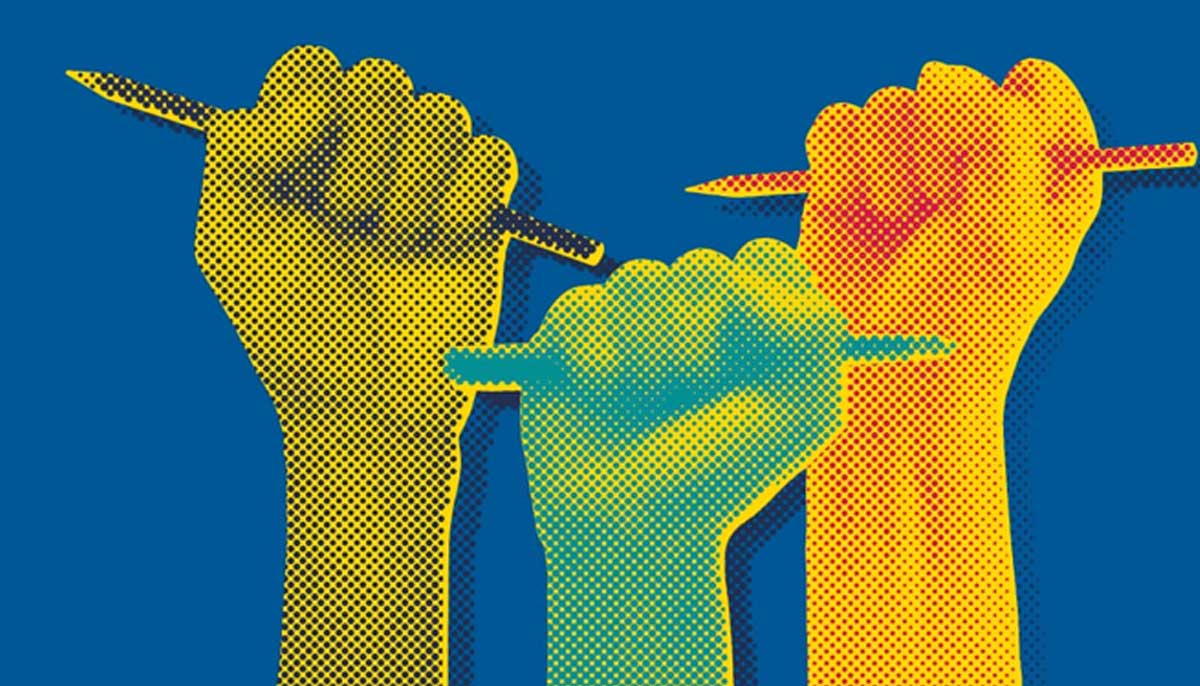
Amnesty deplores intensify crackdown on freedom of expression in South Asia

Editor's Desk, Tattva NewsBy Editor's Desk, Tattva NewsMarch 30, 2022No Comments2 Mins Read
Facebook Twitter Pinterest LinkedIn Tumblr Email
Share
Facebook Twitter LinkedIn Pinterest Email

 “Across the South Asia region, governments are becoming increasingly intolerant of criticism, discrimination against women and girls and marginalized groups are pervasive, and impunity is rife giving rise to widespread human rights violations that go unchecked, unaccounted for and unfettered,” said Yamini Mishra, South Asia Regional Director, Amnesty International.

Explaining key issues related to South Asia, mentioned in Amnesty Internationl’s annual report on status of the human rights world over, she said that in  the immediate aftermath of its takeover of Afghanistan in August last year, the Taliban curtailed media freedoms and used force to break up protests. Journalists were detained, beaten and harassed; by October more than 200 media outlets had closed down.

In Bangladesh, criticism of the government’s response to the Covid-19 pandemic and other issues led to a crackdown on dissent, targeting human rights defenders, journalists, lawyers, members of the opposition, criminal investigators, university students, academics, trade unionists and social media commentators. 

Sri Lankan authorities issued threats of disciplinary action against health sector employees who spoke to the media about their concerns on the Covid-19 response. In Maldives, media personnel reporting on protests were also attacked or harassed by police, protesters were dispersed, citing the Freedom of Peaceful Assembly Act 2016 and health guidelines because of the Covid-19 pandemic.

In India, police and security forces used excessive force against those protesting peacefully against the controversial agricultural reforms. Outspoken journalists, media outlets, actors and human rights activists were threatened and intimidated through the misuse of over-broad financial laws including the FCRA (Foreign Contribution Regulation Act) or use of draconian anti-terrorism laws like the UAPA (Unlawful Activities Prevention Act).

Many governments sought to further control access to and sharing of online information. In Pakistan, the draconian Removal and Blocking of Unlawful Online Content Rules to censor online content was also enacted. In Bangladesh, human rights defenders, journalists and activists were among hundreds of people imprisoned under the Digital Security Act.

Nepal authorities used the Electronic Transactions Act to arbitrarily detain individuals including journalists, particularly those who criticized the government and ruling party leaders. Residents of Jammu and Kashmir suffered the longest internet shutdown on record from 4 August 2019 to 5 February 2021.

The Pegasus Project, an international investigative journalism initiative, exposed the unlawful and arbitrary surveillance of Indian citizens including journalists and HRDs through the government’s alleged use of Pegasus spyware.

Amnesty International Freedomof Expression South Asia Yamini MIshra
Share. Facebook Twitter Pinterest LinkedIn Tumblr Email
Editor's Desk, Tattva News

Related Posts

CPJ calls on new Syrian leaders to protect journalist safety

December 15, 2024

PEC deplored 12th media persons killed in Pakistan

December 13, 2024

Cambodian journalist died with bullet injuries, PEC demands justice

December 11, 2024

CPJ condemns police brutality against journalists covering Georgian protests

December 10, 2024

Amnesty International says Israel committing genocide against Palestinians in Gaza

December 5, 2024

Asia Democracy Network slams Escalating Crackdown on Protests in Pakistan

December 3, 2024

Leave A Reply Cancel Reply

FOLLOW US
  • Facebook
  • Twitter
  • Instagram
  • YouTube
  • LinkedIn
REGIONAL

‘Samatar Chandere Jivanar Joigaan’ to pay homage to Ambedkar

December 6, 2024

PPFA offers thanks to Delhi, Dispur for classical recognition to Asomiya

October 12, 2024

Yogi slams Congress prince heading to become anti-India separatist group leader

September 12, 2024

Rajasthan CM  gets threat call from Dausa jail

July 29, 2024
NATIONAL

Dr Bhagwat slams regulatory rigidity in education

December 21, 2024

 Former Haryana CM, INLD chief Om Prakash Chautala passes away

December 20, 2024

Parliament adjourns sine die amid protests by Opposition and treasury benches

December 20, 2024

Opposition notice for no-confidence against Dhankhar rajected

December 20, 2024
Tattva News
Facebook Twitter Instagram Pinterest LinkedIn
  • Telegu State
  • Regional
  • National
  • International
  • Economy
  • Others
  • Special Stories
  • Opinion
  • Contact Us
© 2026 Tattva Talks Designed by Dhanush Infotech .

Type above and press Enter to search. Press Esc to cancel.